
Across the United States
Take a closer look.
A theater full of parked cars. A diamond sent through the mail. A reservoir beneath a park. Read the stories behind places across the country.
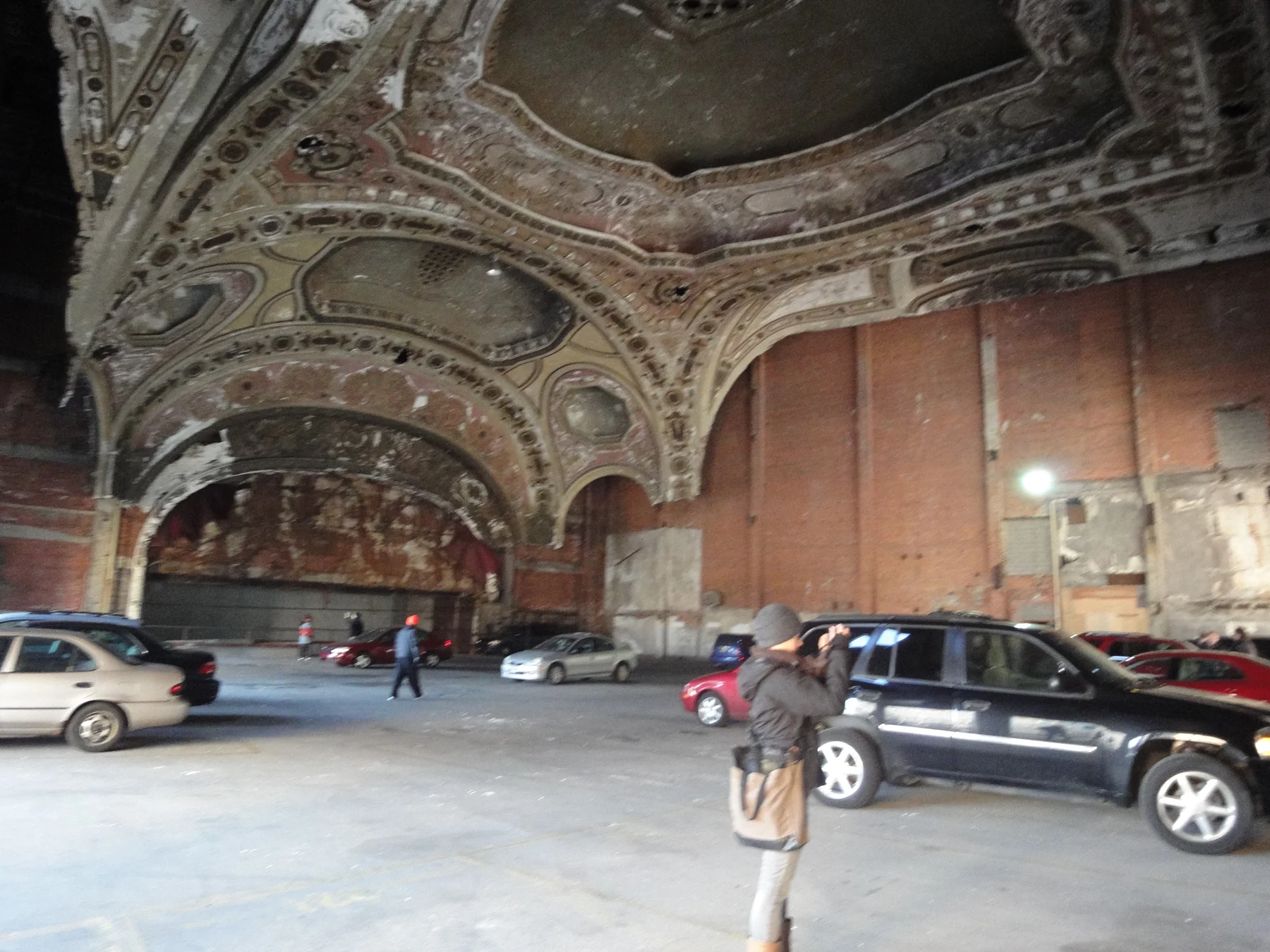
Detroit, Michigan · 1926–1977
Detroit’s Movie Palace Parking Garage
A parking deck fills the Michigan Theatre’s old auditorium. The ceiling above it still belongs to a 4,000-seat movie palace.
Read the story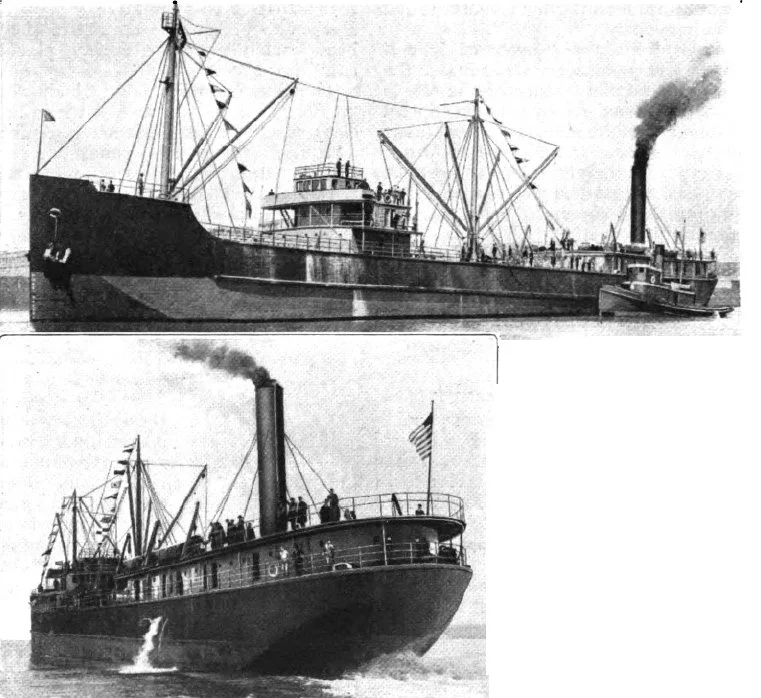
Redwood City, California · 1917–1921
Redwood City Built an Ocean Ship out of Concrete
Launched in 1918, the SS Faith tested whether reinforced concrete could help meet a wartime shortage of ships.
Read the story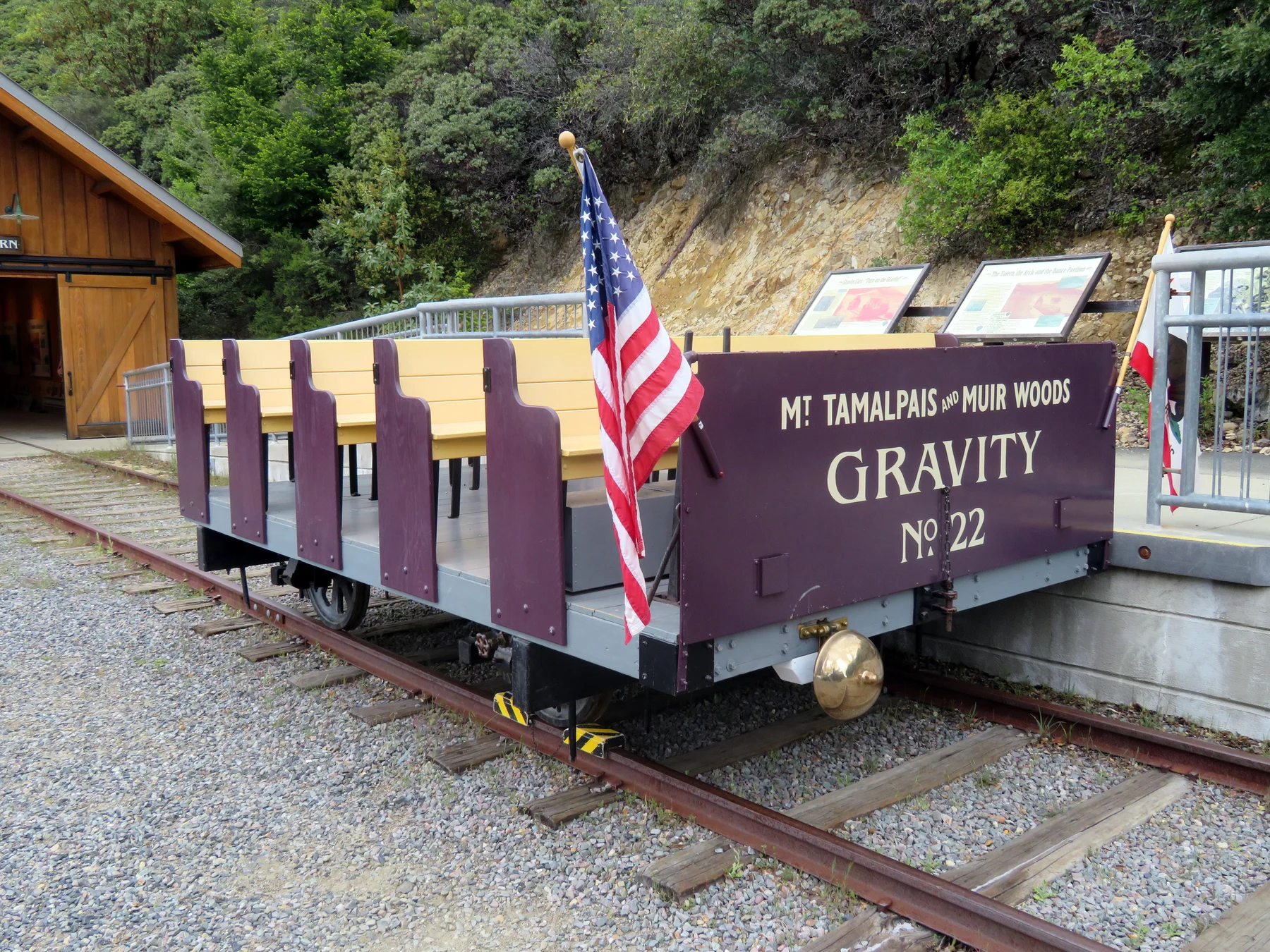
Mount Tamalpais, California · 1902–1929
Down Mount Tamalpais Without an Engine
The mountain railway’s gravity cars coasted downhill with passengers aboard and a brakeman controlling the descent.
Read the story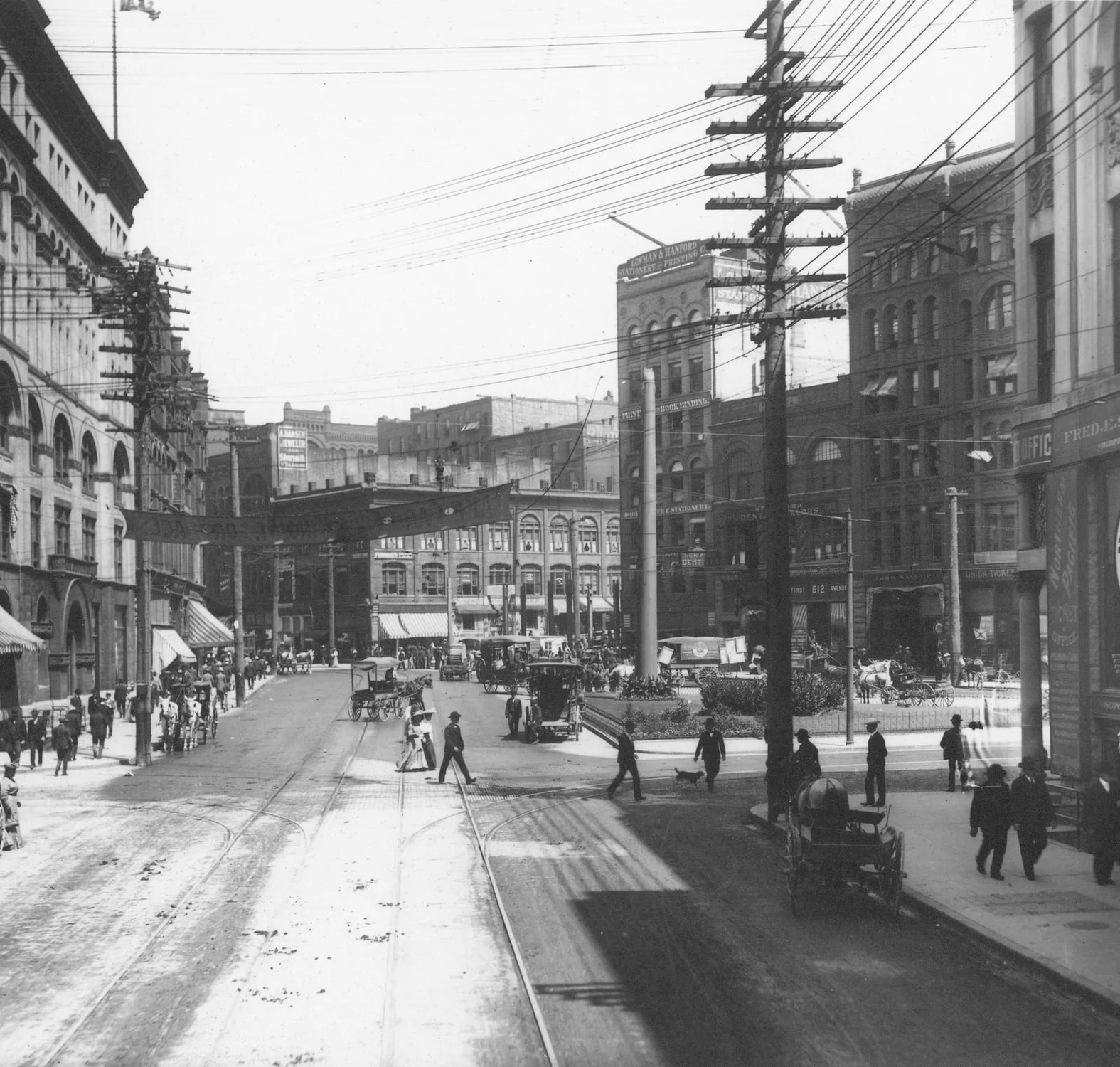
Seattle, Washington · 1889–1890s
Seattle Built New Sidewalks Above the Old Ones
After the Great Fire, parts of downtown were rebuilt at two different heights. The gap left rooms beneath today’s sidewalks.
Read the story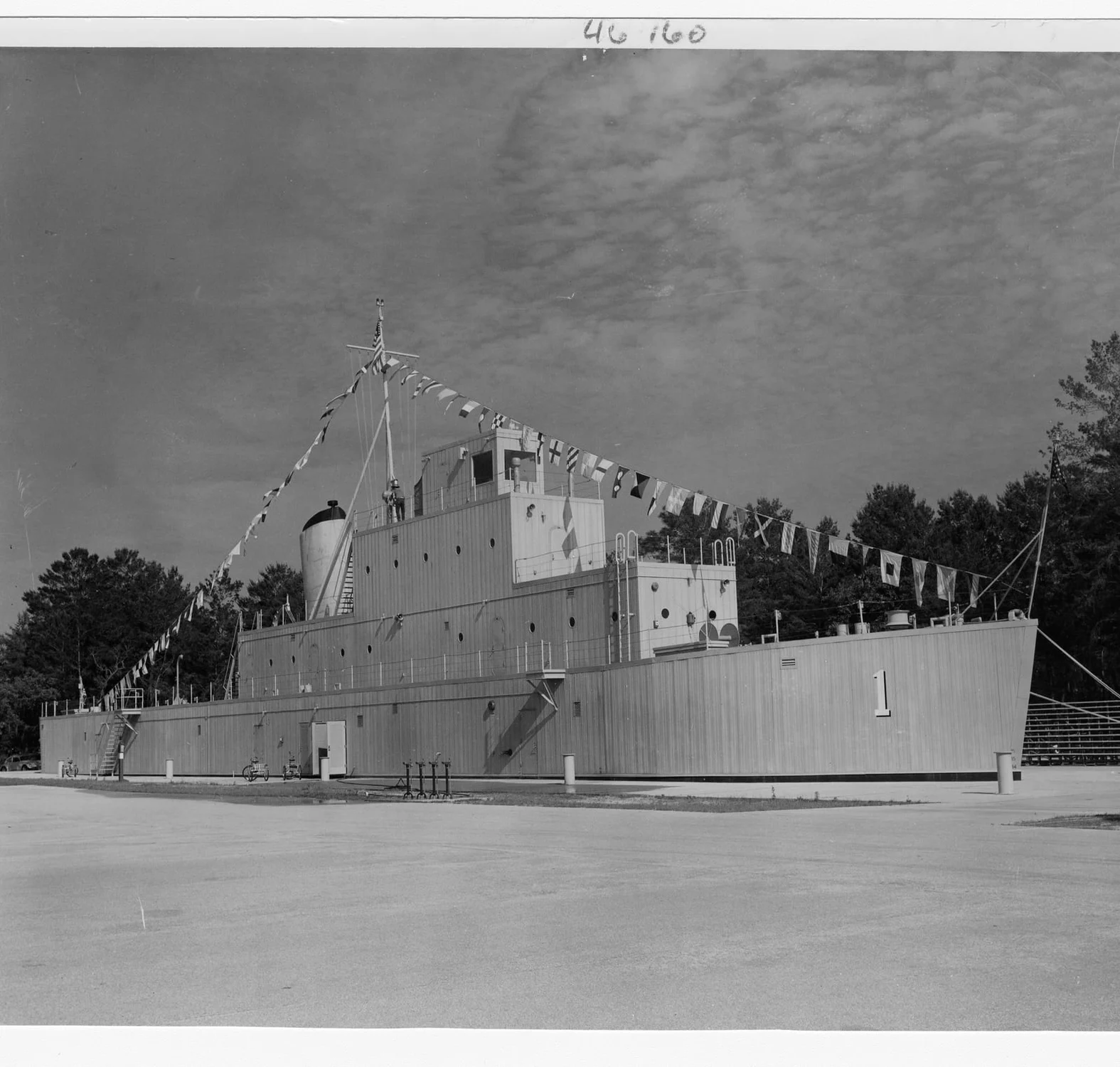
San Diego, California · 1949–1990s
Learning to Sail on a Ship Built on Land
The USS Recruit trained Navy recruits on a concrete ship in San Diego. Its nickname was “Neversail.”
Read the story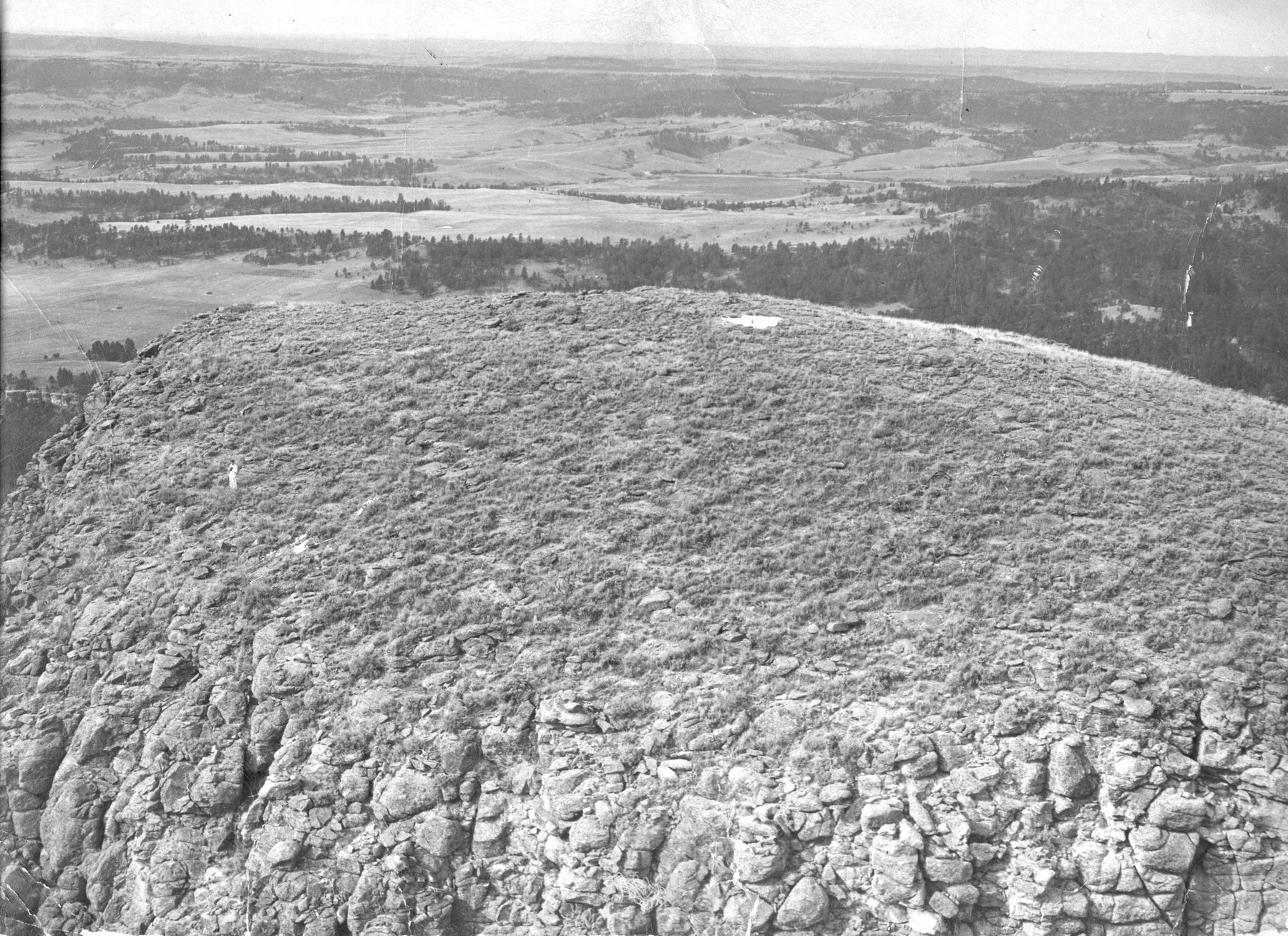
Devils Tower, Wyoming · 1941
Six Days on Top of Devils Tower
George Hopkins parachuted onto the summit for publicity. The rope he needed to leave landed out of reach.
Read the story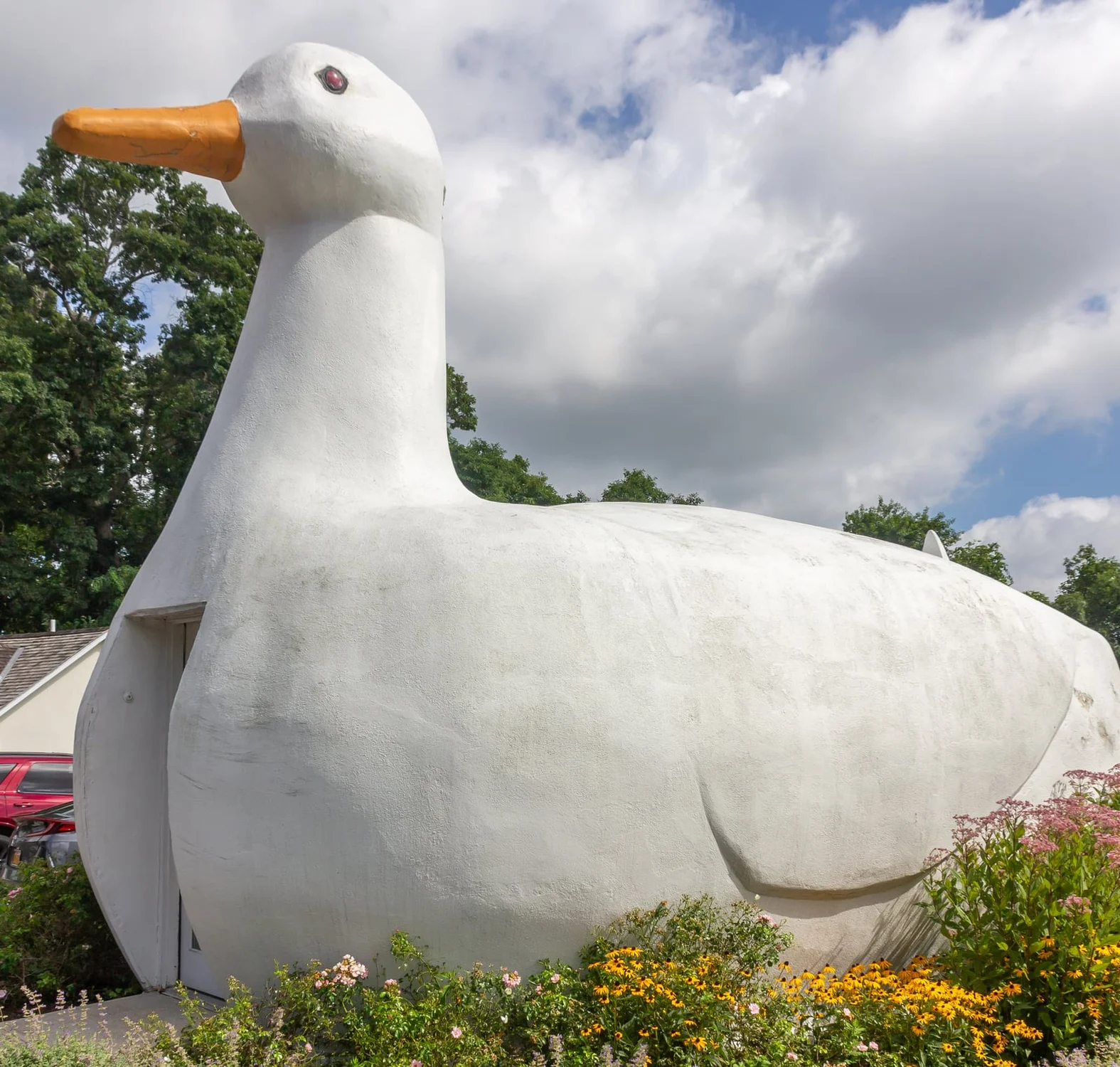
Flanders, New York · 1931 onward
The Duck Shop Shaped Like a Duck
A Long Island farmer built a giant duck to sell ducks and eggs. Architects later borrowed its name for an entire kind of building.
Read the story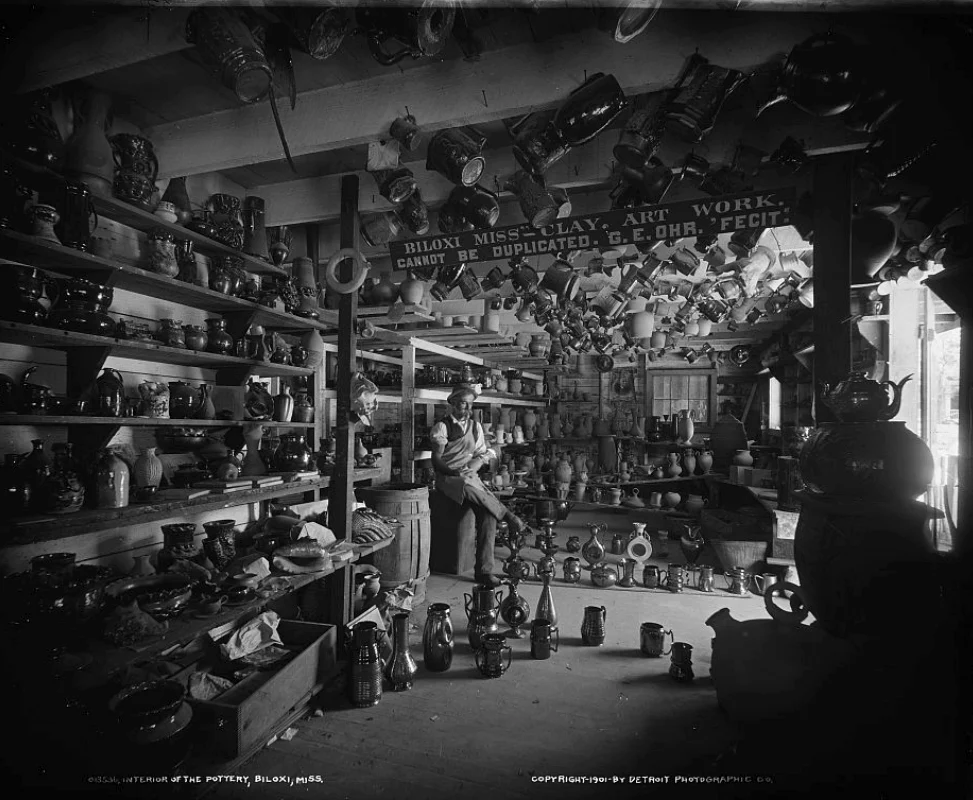
Biloxi, Mississippi · 1880s–1960s
The Pots Stored at the Auto Repair Shop
George Ohr’s thin, twisted pottery spent decades packed away in Biloxi before an antiques dealer came looking for old cars.
Read the story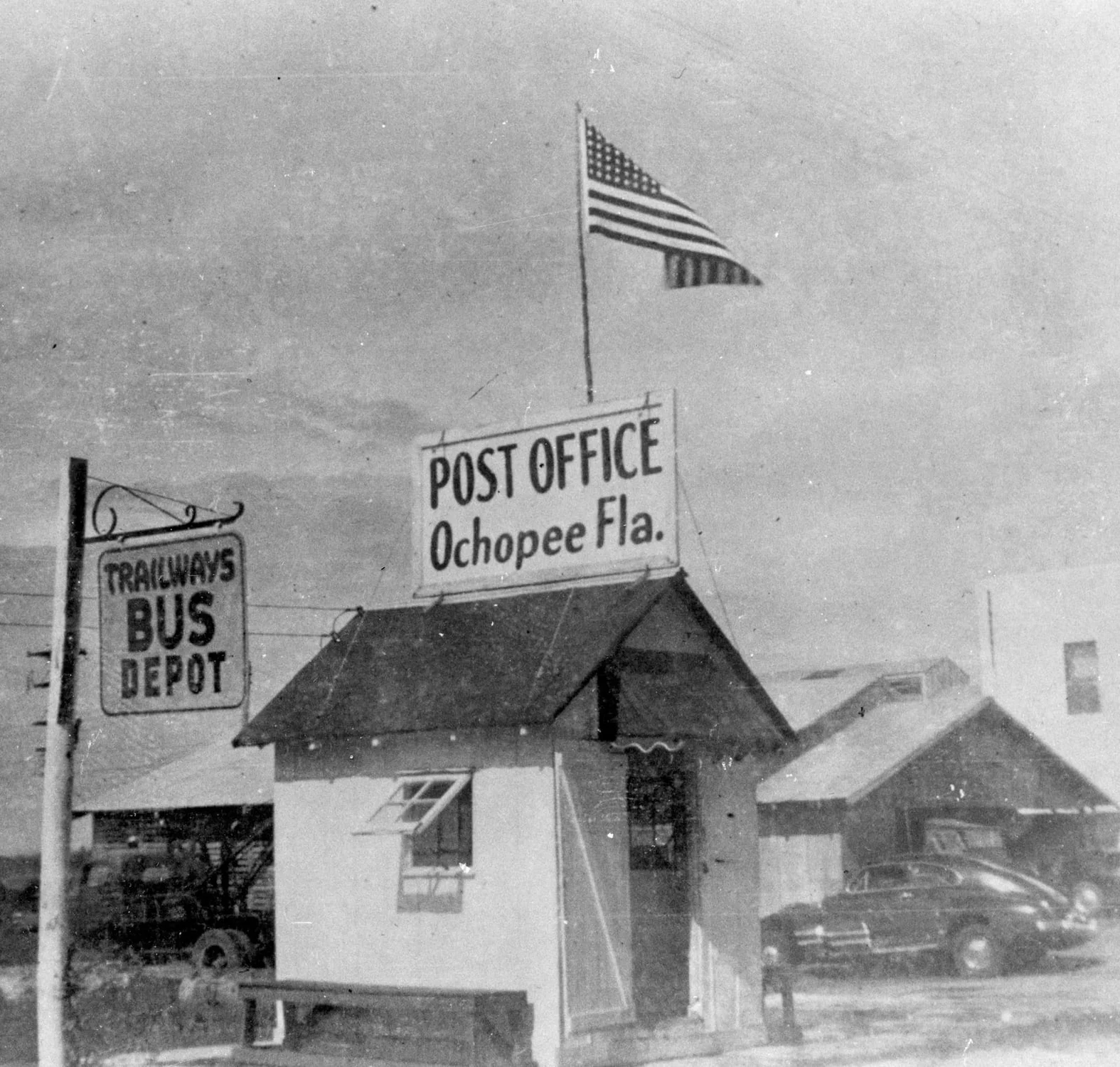
Ochopee, Florida · 1953 onward
The Pipe Shed That Became a Post Office
After a fire destroyed Ochopee’s post office, mail service moved into a tiny farm shed beside the Tamiami Trail.
Read the story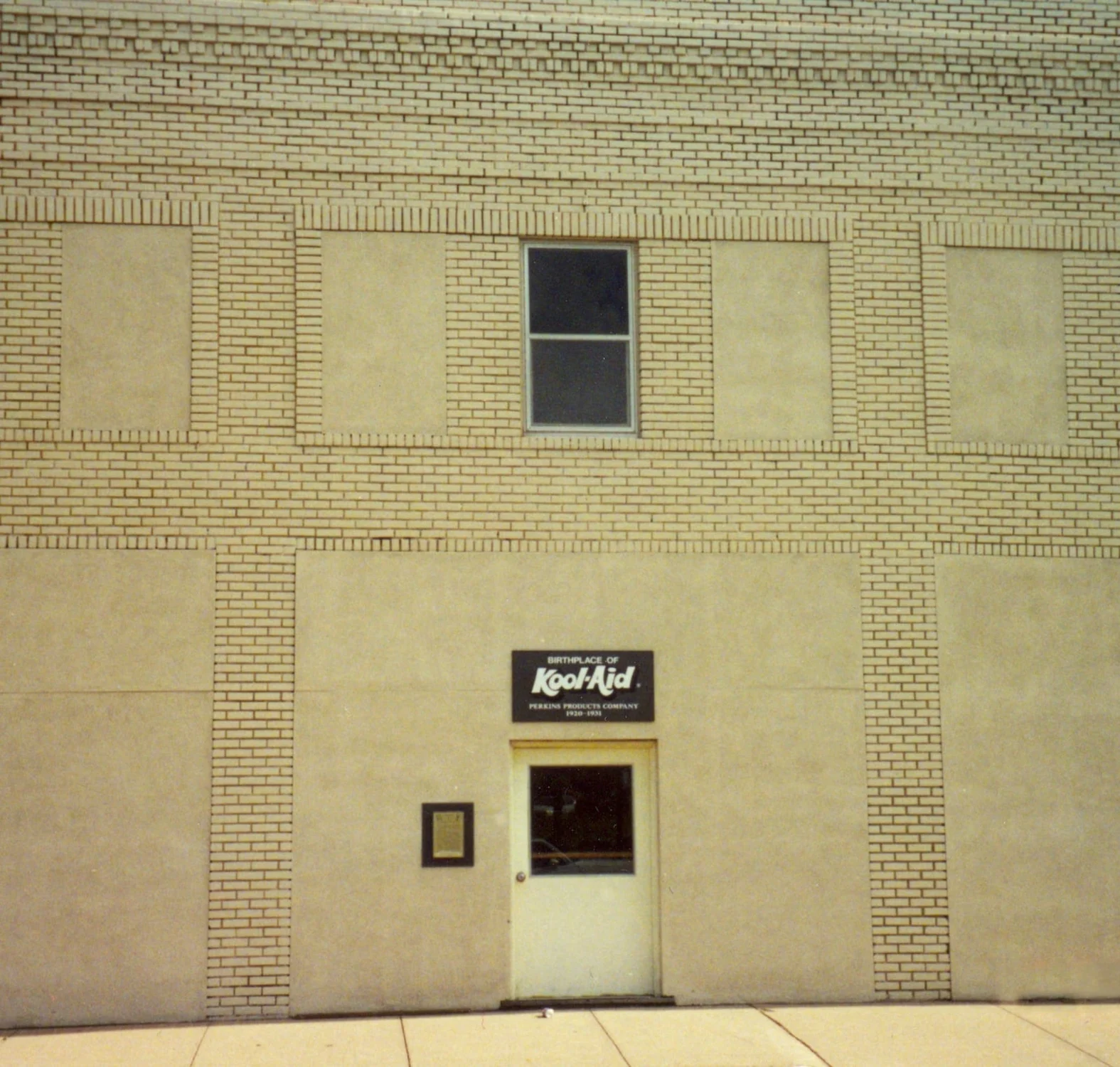
Hastings, Nebraska · 1920s–1930s
Kool-Aid Began with a Shipping Problem
Edwin Perkins’s bottled fruit concentrate could break or leak in transit. In Hastings, he developed a powder that traveled in an envelope.
Read the story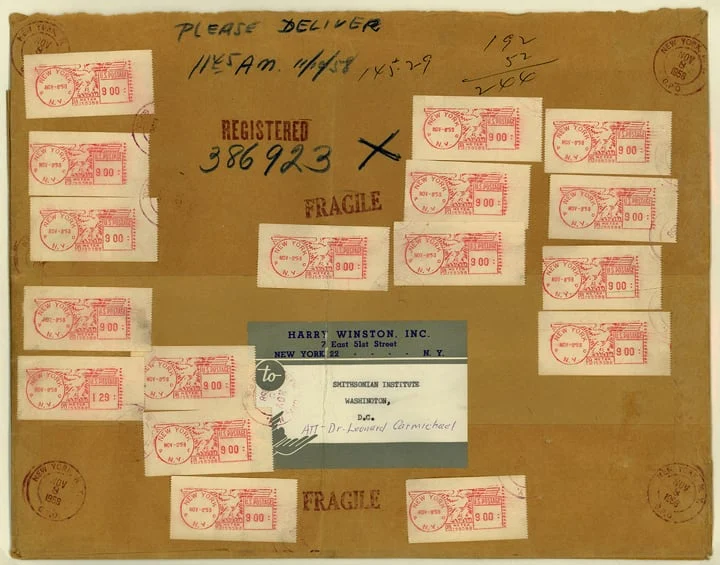
Washington, D.C. · 1958
The Hope Diamond Arrived by Registered Mail
The Smithsonian’s famous diamond traveled from New York in a wrapped parcel. Its postage was $2.44, but its full mailing bill was much higher.
Read the story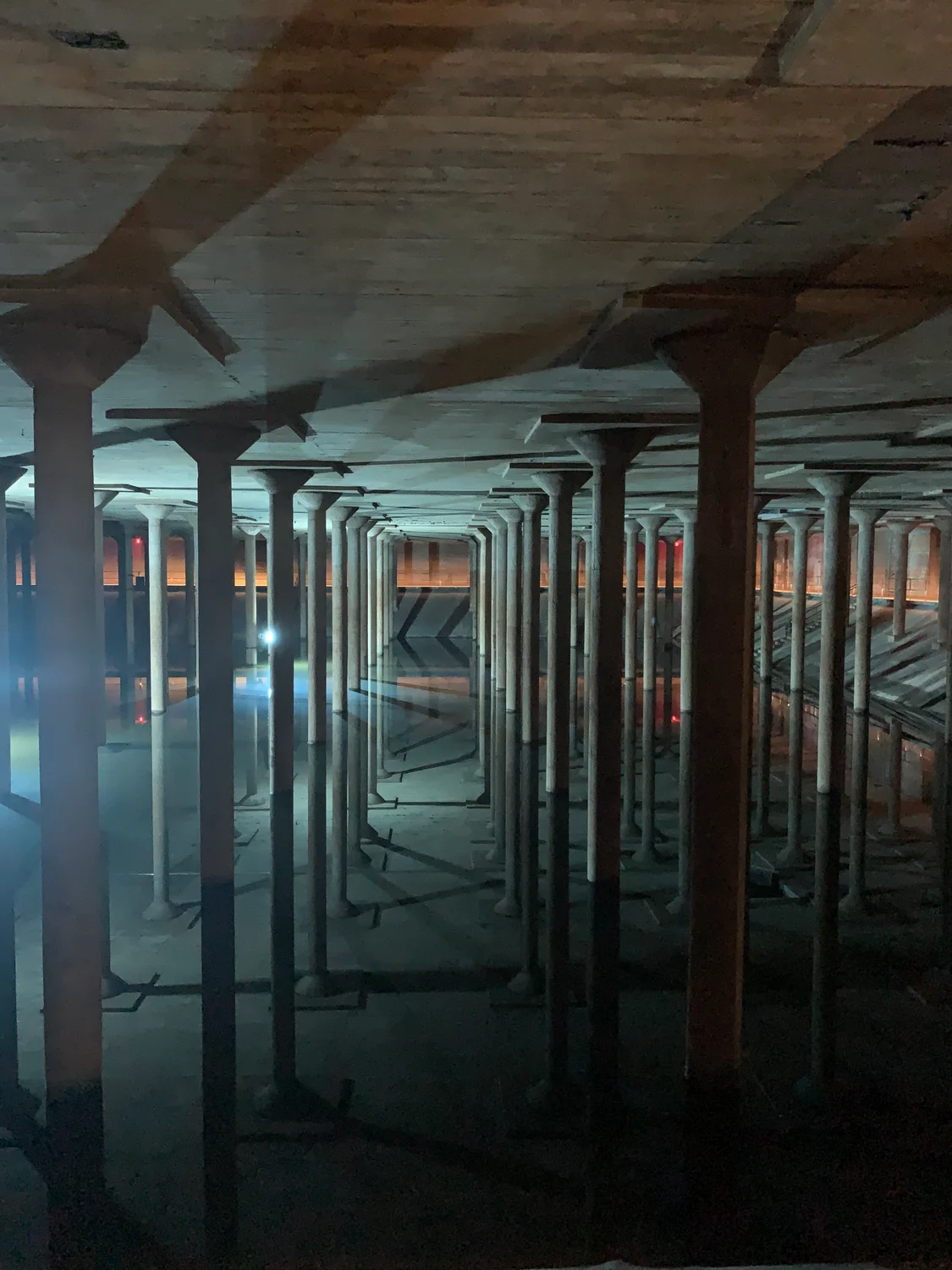
Houston, Texas · 1926–2016
Under Houston, 221 Columns Held Up a Reservoir
An underground drinking-water reservoir became a place to walk among long rows of columns and hear a seventeen-second echo.
Read the story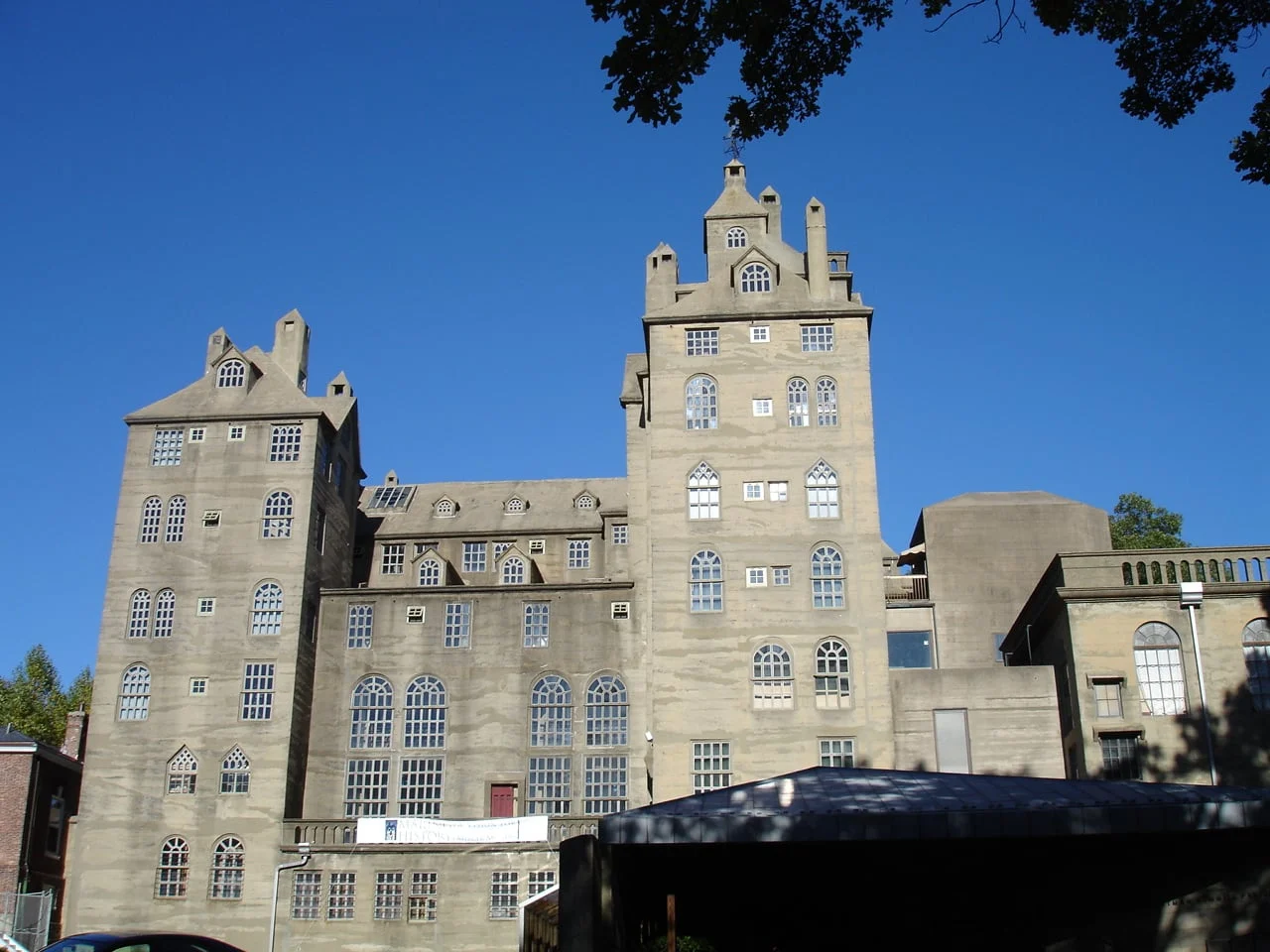
Doylestown, Pennsylvania · 1913–1916
A Concrete Castle Full of Hand Tools
Henry Mercer built six stories of concrete around a collection of the tools and equipment people used before factory production became commonplace.
Read the story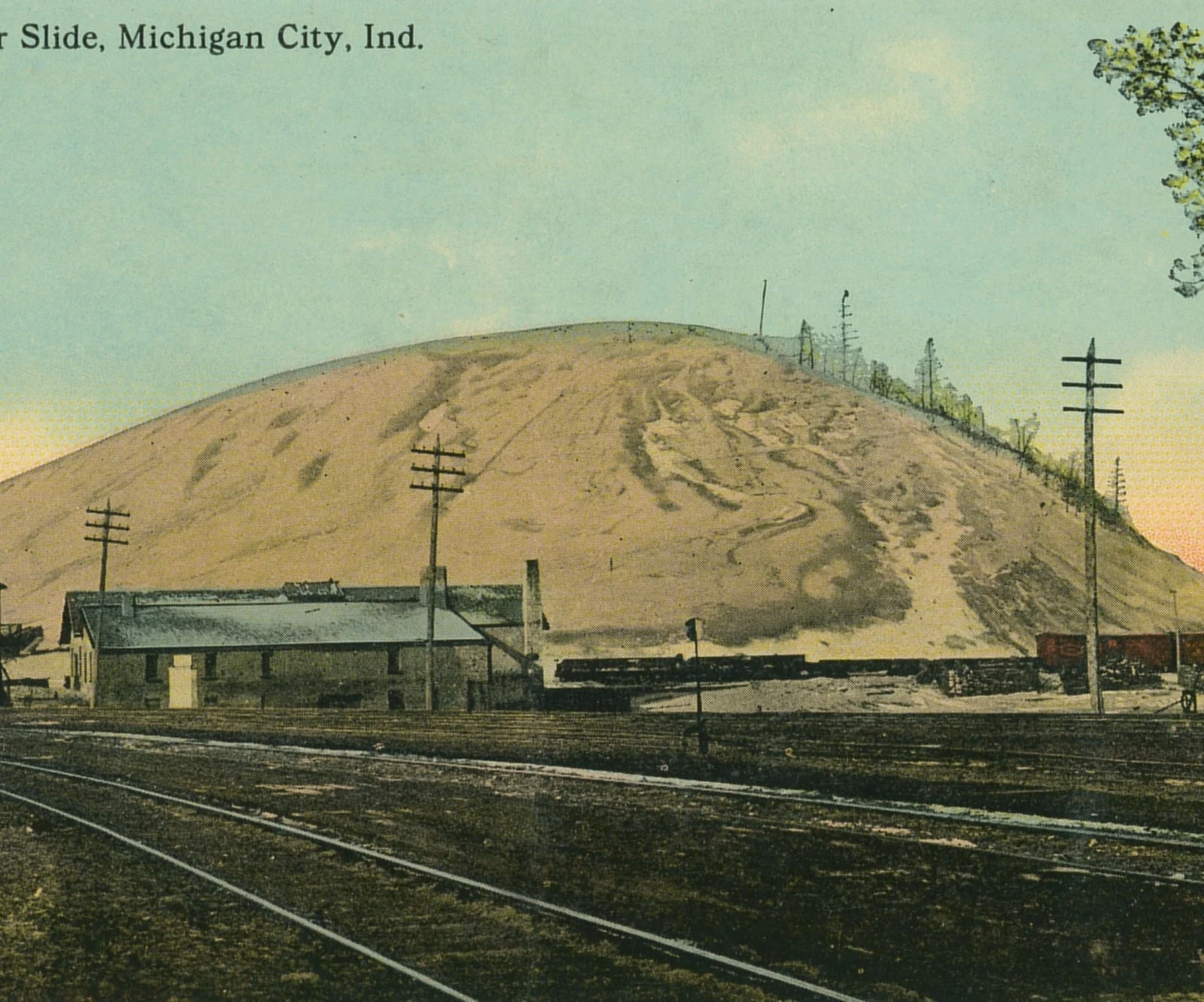
Michigan City, Indiana · Late 1800s–1920s
The Indiana Dune Sold to Glassmakers
Hoosier Slide was a landmark above Lake Michigan. Its sand was shipped to factories, including the makers of Ball jars.
Read the story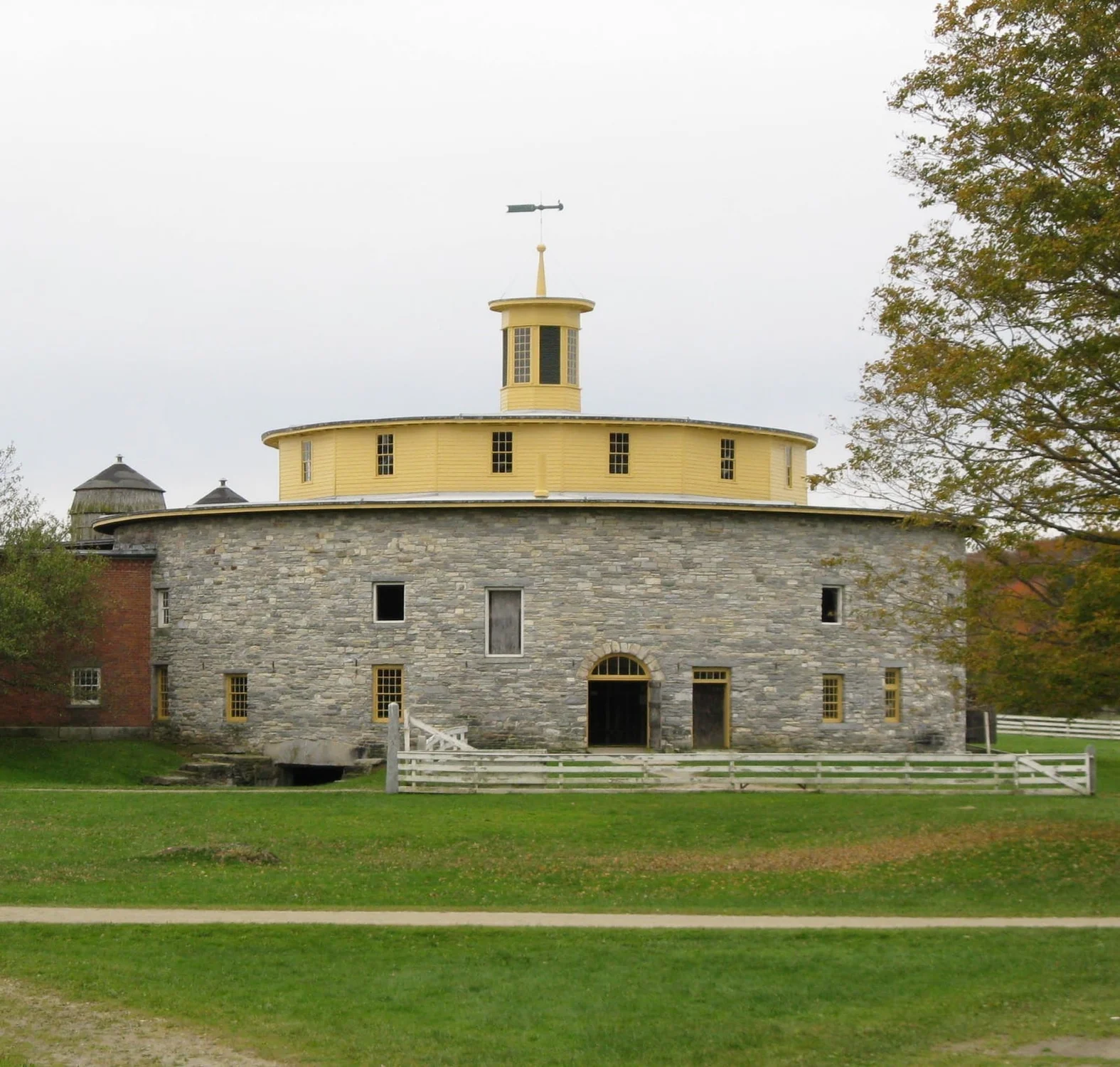
Hancock, Massachusetts · 1826 onward
The Round Barn Where Wagons Never Backed Up
Hancock’s Shakers arranged hay, cattle, and manure on three levels, with a circular route for the wagons overhead.
Read the story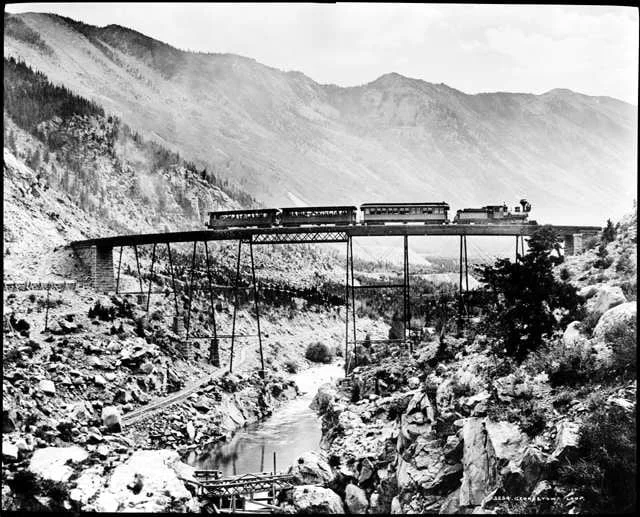
Georgetown, Colorado · 1884–1984
The Railroad That Crossed over Itself
Georgetown and Silver Plume were close together, but far apart in elevation. A looping railway made the climb manageable.
Read the story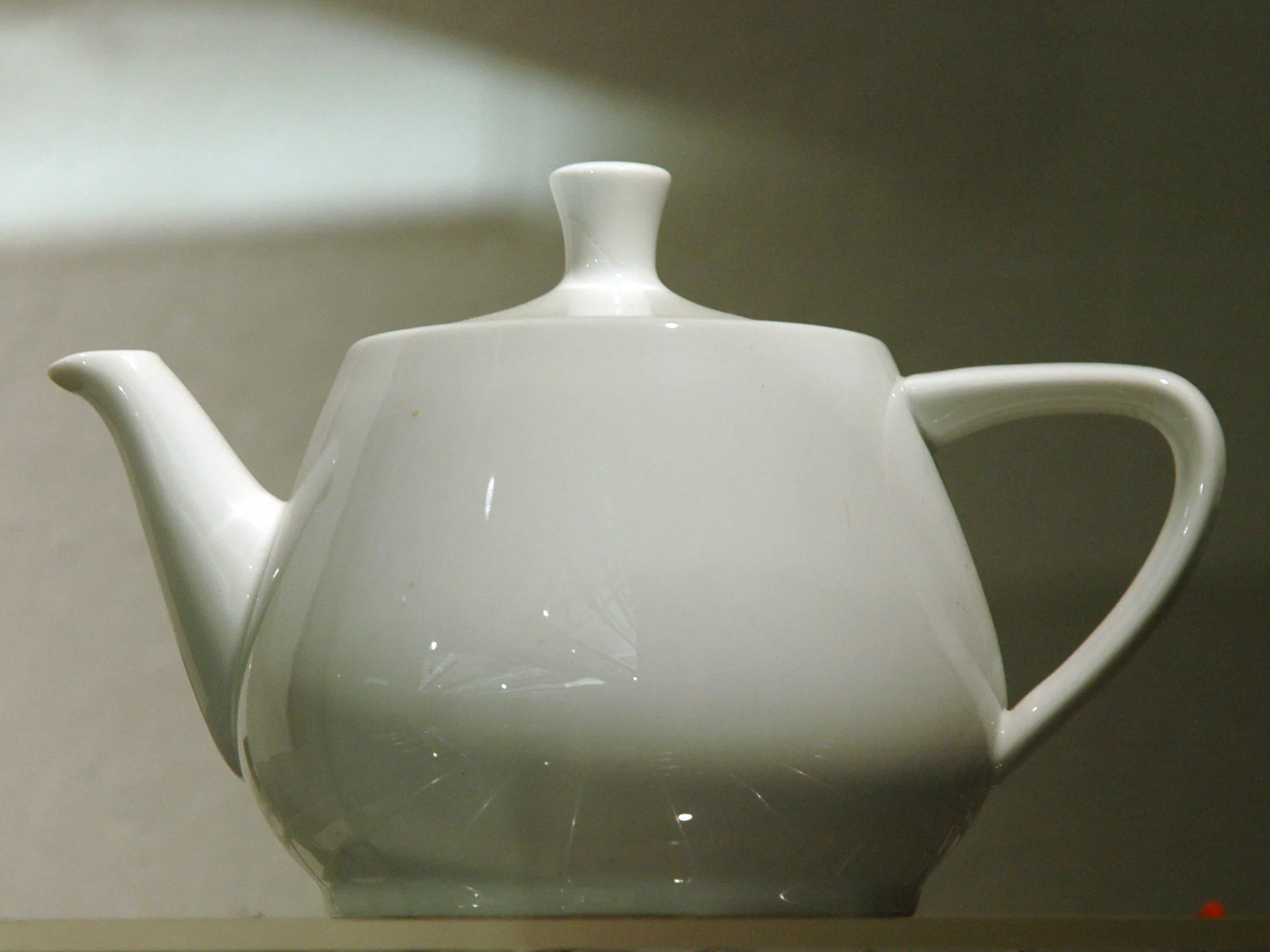
Mountain View, California · 1975 onward
The Kitchen Teapot Used to Test Computer Graphics
Martin Newell turned a household teapot into a digital model in Utah. The original pot is now in California’s Computer History Museum.
Read the story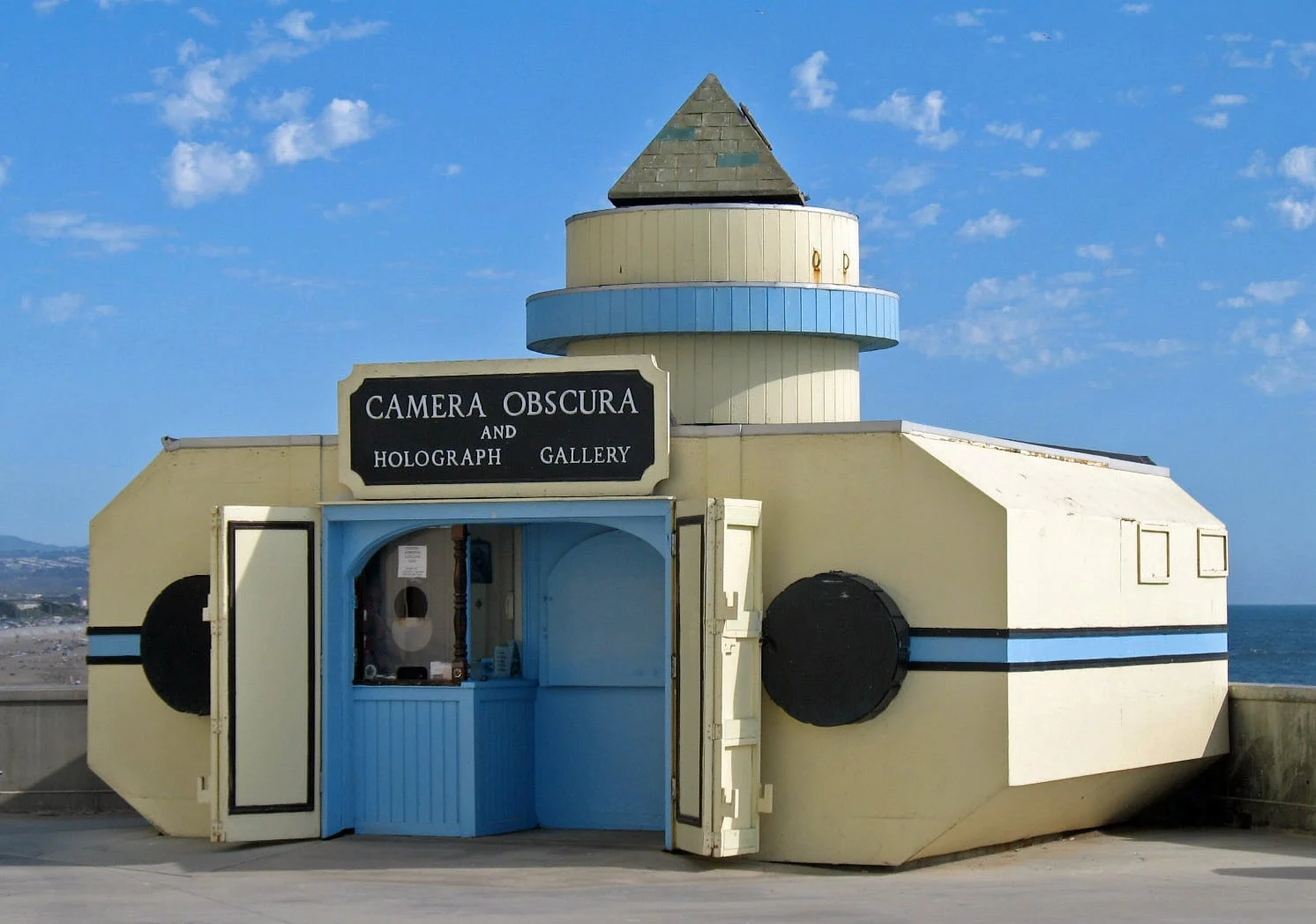
San Francisco, California · 1946 onward
The Room That Projects the Pacific onto a Table
Beside San Francisco’s Cliff House, a walk-in camera uses mirrors and lenses to bring the moving ocean indoors.
Read the story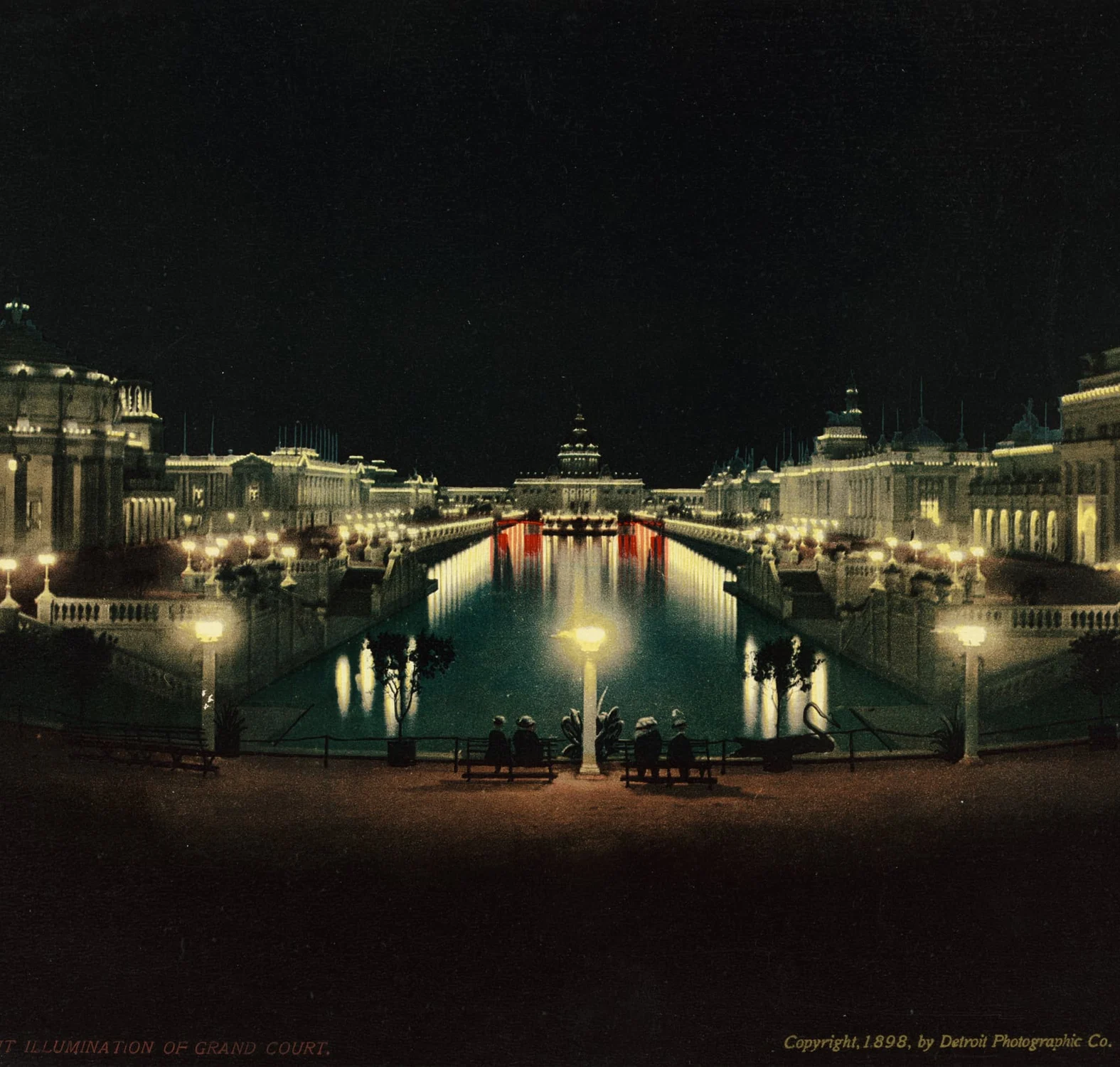
Omaha, Nebraska · 1898–1899
Omaha’s Temporary City of Palaces and Canals
For the 1898 Trans-Mississippi Exposition, Omaha built an illuminated fairground with classical buildings and gondolas on a canal.
Read the story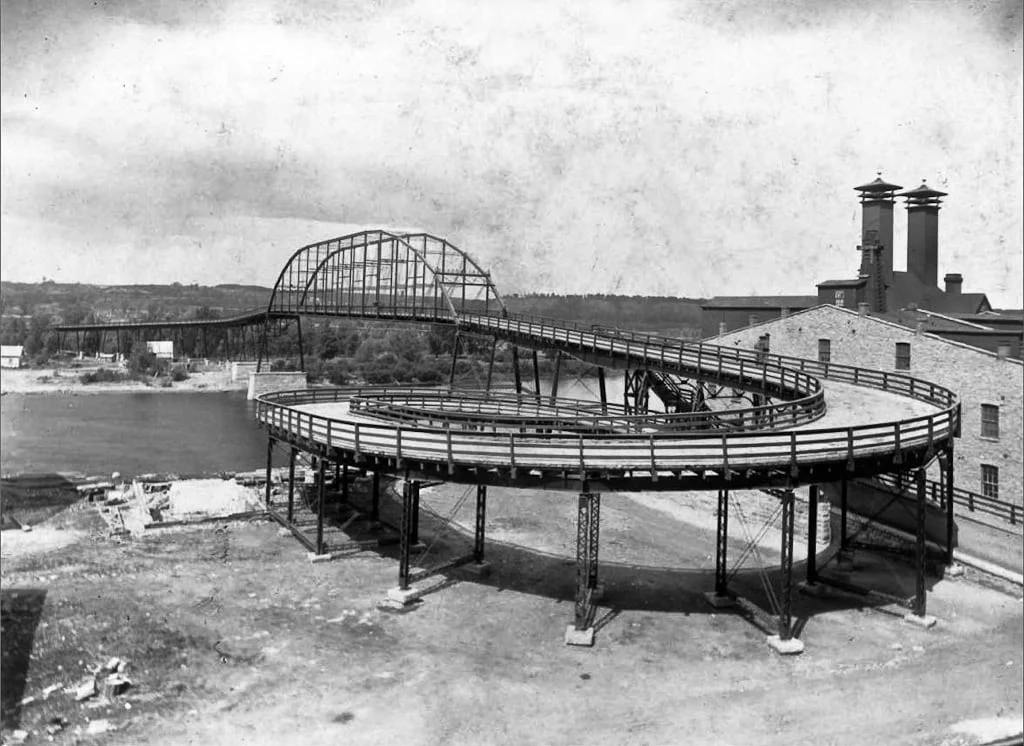
Hastings, Minnesota · 1895–1951
The Mississippi Bridge with a Spiral Approach
Hastings wrapped its bridge approach into a loop to gain height while keeping traffic connected to downtown.
Read the story